We’re Not Trying to Keep Up, We’re Trying to Live
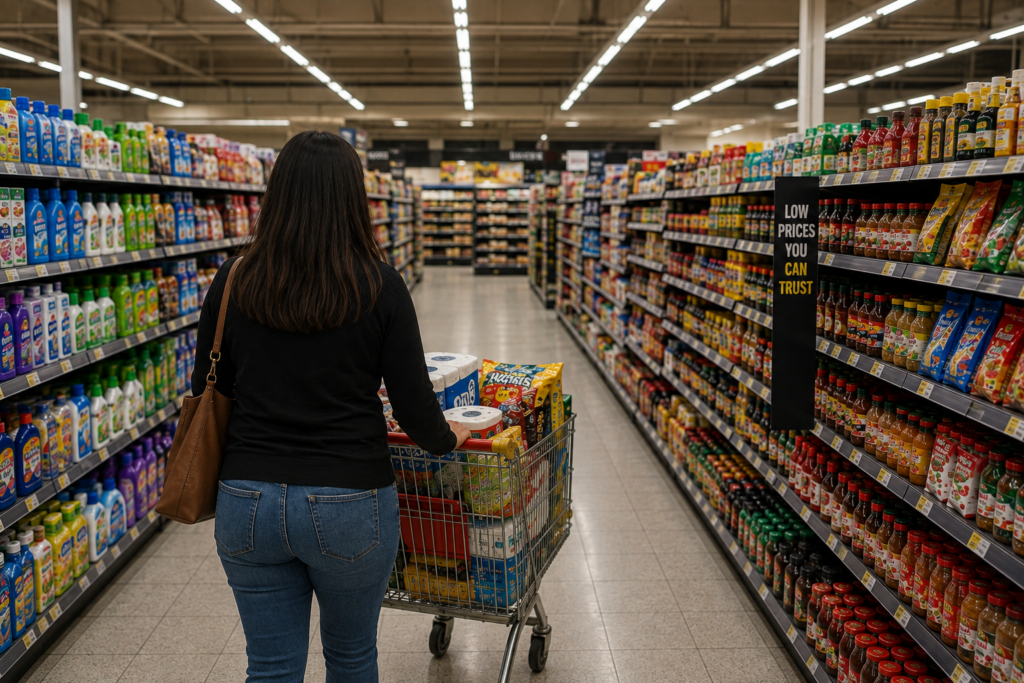
There’s a specific kind of tiredness that comes from doing everything right and still watching the numbers not add up at the end of the month. Not reckless spending, not forgetting to budget, just the ordinary business of living with the cost of living in South Africa quietly becoming something else entirely. I catch myself standing in the Pick n Pay aisle these days actually calculating, cheese or vegetables, not both, and I don’t think that’s a version of me that existed even two or three years ago. You know exactly the aisle, I mean; you’ve done the same maths yourself.
Coffee and chocolate are the perfect example of how this actually works. Global wholesale cocoa and coffee prices have dropped sharply; cocoa is down more than 50% from its 2024 peak, and coffee has benefited from a good harvest and easier shipping. But Stats SA’s own CPI data, which tracks what you and I actually pay at the till, still has coffee up 4.6% year-on-year as of May 2026 and chocolate up 1%, both still increases, just smaller ones than the brutal 20 to 30% spikes of 2023 and 2024. Even when global prices fall, retail prices don’t have to follow and often don’t. Meanwhile, cheese and vegetables haven’t even bothered slowing down to make the point for me.
And it isn’t only what ends up in the trolley. It’s everything around getting it there as well: twice a day the same drive, Woodstock to the Southern Suburbs and back, dropping and fetching, and four trips just to get my kids to and from school. Somewhere in all of that, ordinary got expensive without anyone really announcing it.
And then someone always wants to remind you it could be worse. Cape Town’s still cheaper than London, cheaper than Sydney, and cheaper than half the places people dream about moving to. Fine. But nobody here is earning a London salary while paying Cape Town prices. We’re earning South African rands, against South African costs that are climbing faster than those rands ever will, and that comparison means absolutely nothing to the woman standing in the aisle doing the maths on cheddar.
And it’s not just the till that tells you this. Driving into the city these days, I notice it more than I used to: that particular Cape Town thing where you’re being quietly assessed the second you arrive—what you’re driving, where you live, what you’re wearing, and whether you look like you belong in the room you’ve just walked into. It’s not new; this city has always run on that kind of status math, but lately it feels sharper, more exposed somehow, like the mask has slipped a little. And then you add tourism into that same mix, foreign currency moving through restaurants and shops built around exchange rates rather than local salaries, and you don’t stand a chance.
I went to the Waterfront recently and felt like a foreigner in my own city, not because anyone said anything to me—nobody has to; it’s just there in the prices, in who’s buying without blinking and who’s doing the maths before they order. I’m not out here trying to live up to any of it; I made my peace with that a long time ago, but you can’t help feeling out of place when the whole thing is so blatantly, unapologetically in your face.
And this isn’t in my head. South Africa has one of the highest levels of inequality in the world, a Gini coefficient of 0.63, with the top 20% holding close to 70% of national income, against a global average closer to 47% for most countries’ wealthiest fifth. Cape Town has a real inequality problem, and it wears a very specific outfit here, not just about who has money and who doesn’t, but about who’s made to feel like they belong in their own city and who isn’t. There’s barely a middle ground left standing between the two extremes, and I don’t think that’s a feeling; I think it’s just what’s actually happened here.
So now it’s this: being more creative than we have ever had to be, working out what can be cut, what we can live without, and running a version of our own lives with less padding than it used to have. It’s exhausting, but it’s just where we are. And it’s harder the further down you go, harder on single-income households, and harder on people who were already stretched thin before any of this started. We’re not trying to keep up with anyone at this point; we’re just trying to live. But this city wasn’t built for people like us anymore, and neither, it seems, is the politics that’s supposed to be looking out for us.
Still figuring out the money side of starting over?
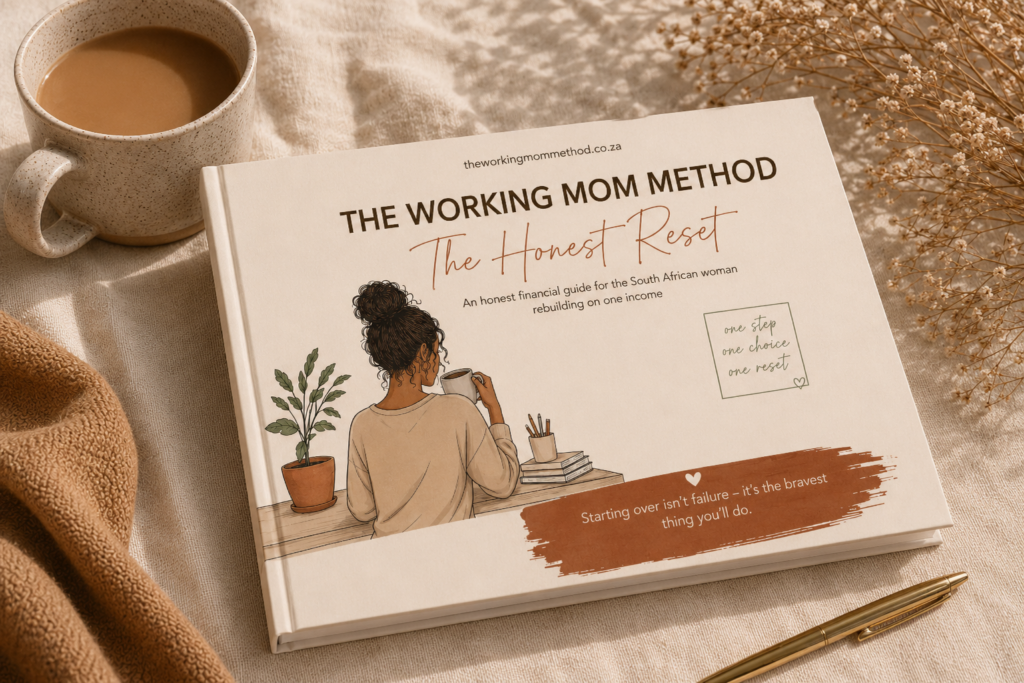
I didn’t build The Honest Reset from theory; I built it from standing in the Checkers aisle doing maths that had nothing to do with a calculator. It’s a 38-page guide for facing your actual numbers, stripped of guilt and wishful thinking.
Read the full story behind it here: The Guide I Made For The Woman Standing Where I Am