The Occasion Clothes I Never Wear, But Can’t Quite Let Go Of
Keeping clothes you don’t wear sounds like something that should be easy to deal with when you’re trying to sort out your wardrobe. You look at what you haven’t worn in ages, decide whether it still belongs, and move on. Except it isn’t always that simple. There are dresses in my wardrobe that I absolutely love. They are beautiful, they fit well, and every time I look at them, I can picture exactly why I bought them in the first place.
The problem is that I hardly ever wear them.
I haven’t been to a wedding in ages, I haven’t attended a funeral in a long time, and dinner dates aren’t exactly a regular feature of my life. So these dresses sit in my wardrobe, taking up space, waiting for occasions that don’t seem to come around very often.
And yet, I have no real desire to get rid of them.
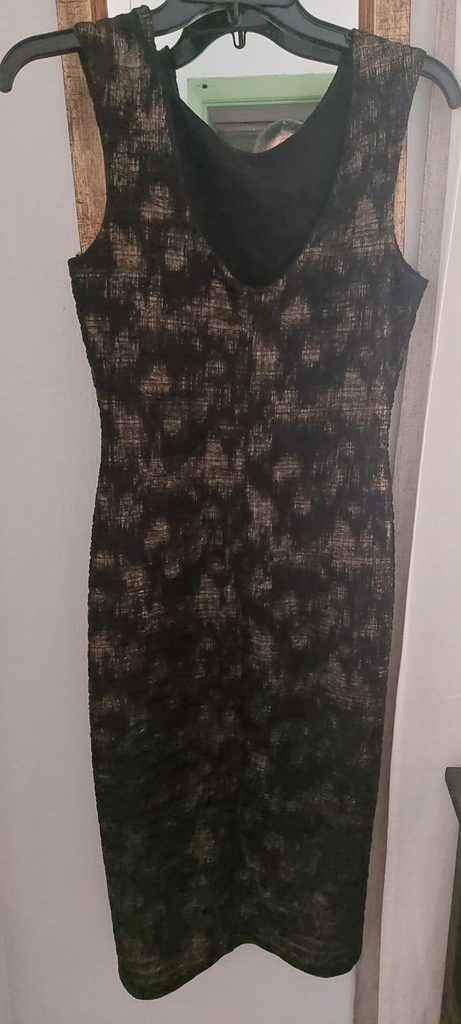
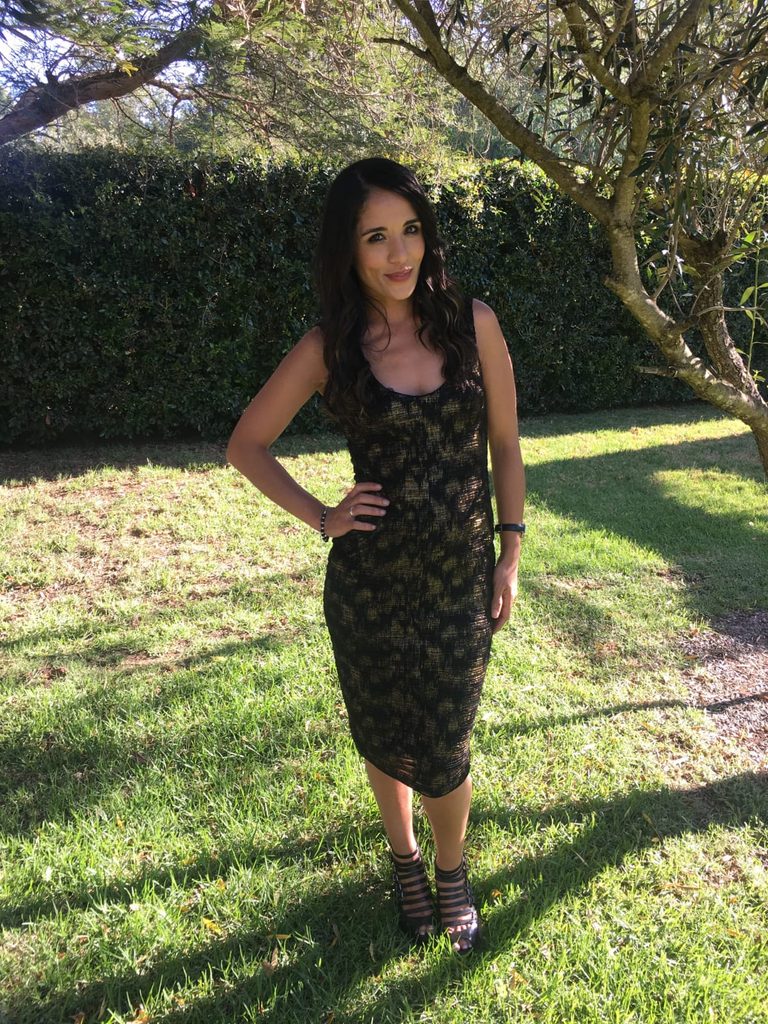
One of them is a dark chocolate-brown dress that almost looks black, with gold detailing. I bought it for my cousin’s wedding in 2016, and I loved it then as much as I do now. I’ve worn it once since, for a dinner date, but otherwise it has spent years hanging in my wardrobe.
I think it’s beautiful. I would absolutely wear it again. I just haven’t had much reason to.
This is where getting a wardrobe together becomes a little more complicated than simply looking at what you wear and getting rid of everything you don’t.
Because what do you do with clothes that you genuinely love, that you spent money on, and that you can reasonably imagine wearing again, even if you have no idea when that might be?
The Money I’ve Already Spent
One of the arguments for clearing out your wardrobe is that the money has already been spent. Whether you keep the dress or give it away, that money isn’t coming back.
Money is something I’ve become much more conscious of when it comes to my wardrobe. I’ve been looking at what I can realistically afford, what I actually need, and where I’d rather spend my money, which I explored in my capsule wardrobe budget.
It’s an example of what’s known as the sunk cost fallacy: the tendency to let money, time, or effort we’ve already invested influence what we decide to do next.
I understand the logic. Keeping something simply because it was expensive doesn’t necessarily make sense, particularly if you never wear it. The money is gone either way.
But I also think there’s a difference between keeping something because you feel guilty about what you spent and keeping something because you genuinely love it.
My dress isn’t sitting in my wardrobe because I hate it but can’t bring myself to admit that I wasted money. I like it. I like the colour, the detail, and the fact that it’s something I would happily wear again.
Does that mean keeping it is automatically the right decision? Not necessarily.
But I don’t think the fact that something hasn’t been worn recently means it has become worthless, either. Sometimes we buy things for a particular stage of life, and sometimes that stage doesn’t come around as often as we expected.
The question is whether I’m keeping the dress because I still want it or because I’m struggling to accept that I might never wear it again.
I’m not entirely sure those two things are always easy to separate.
Is Keeping Something for a Special Occasion Actually Practical?
I’ve come across the argument that keeping occasion clothes makes sense if you regularly attend the occasions they’re intended for.
If you go to weddings every year, for example, having a dress you can wear to them is practical. You don’t have to start shopping every time an invitation arrives, and you already have something you feel good in.
But what happens when you don’t attend those events regularly?
In my case, I can go years without needing a formal dress. My chocolate-brown dress was bought for a wedding in 2016, and although I’ve worn it since, it hasn’t exactly earned its place through frequent use.
I could argue that I might need it next year. Someone could get married, an invitation could arrive, or there could be an occasion I haven’t anticipated. I would already have something suitable hanging in my wardrobe.
Or I could go another few years without wearing it.
Both are possible.
I don’t think every item in a wardrobe needs to justify itself through regular use. There are things we need only occasionally, and it can be useful to have them when the need arises. But there’s also a point at which keeping things for a hypothetical future becomes a habit rather than a practical decision.
I’m still working out where that line sits for me.
Because I don’t want to clear out something I love simply to meet an arbitrary rule about how often I should wear my clothes. At the same time, I don’t want my wardrobe filled with things that belong to a life I rarely live anymore.
And perhaps the answer isn’t the same for every dress.
Occasion Clothes Don’t Have to Follow the Same Rules
One thing that makes this decision difficult is that we tend to think about our entire wardrobe in the same way.
We look at what we’ve worn recently, what fits, what we reach for most often, and what has been sitting untouched for months. Those are useful things to consider when you’re trying to build a wardrobe that works for everyday life.
But formalwear is different from everyday clothing.
I wear certain trousers, shirts, and shoes regularly because they suit the life I live now. I need clothes that work for ordinary days, whether I’m going somewhere or simply getting on with things at home.
A formal dress has a different purpose. I’m not going to wear it to the shops or put it on just because it’s Tuesday. Its usefulness depends on a particular kind of occasion.
That doesn’t mean it should automatically get a free pass.
It does, however, make me question whether the same rules should apply to everything hanging in my wardrobe.
Perhaps occasion clothes need their own little section, separate from the clothes I assess based on everyday wear. That way, I can see what I have without confusing the purpose of those pieces with the purpose of my regular wardrobe.
I can also be honest about how much I actually need.
I’ve been much more intentional about the clothes I wear every day, as I wrote about in how I put together a wardrobe that works for my everyday life. But occasion clothes are a different consideration, because their usefulness depends on a kind of event that might only come around every few years.
One or two dresses I love and would happily wear again are different from a collection of formal outfits I’ve accumulated over the years, most of which I no longer like or wouldn’t choose today.
The aim isn’t to keep everything. It’s to understand why I’m keeping what I keep.
What About Renting Instead of Owning?
Another argument worth considering is that we don’t necessarily need to own an outfit for every occasion.
Dress rental has become an option for people who want to wear something special without paying the full retail price. Instead of keeping a formal dress in your wardrobe for years, you could rent something when an invitation arrives.
There is a practical appeal to that, particularly if you attend formal events infrequently.
Why spend money on a dress that might only be worn once when you could rent one for the occasion and return it afterwards? You wouldn’t have to find storage space for it, and you could choose something different each time.
Of course, renting isn’t automatically the cheaper or more convenient option for everyone. The cost of repeated rentals can add up, and there are practical considerations around fit, availability, and having something ready when you need it.
There’s also something to be said for owning a dress you already know fits you, that you feel comfortable in and that you genuinely love.
My chocolate-brown dress is a good example. I bought it ten years ago, and I still think it’s beautiful. If I received a wedding invitation tomorrow, it would be one of the first things I’d consider wearing.
Would I have been better off renting a dress for that wedding in 2016? I can’t really answer that now. I bought it, I wore it, and I’ve kept it ever since.
But if I were buying a formal dress today, knowing how rarely I attend these events, I’d at least consider the alternatives before spending the money.
It’s another option to keep in mind, rather than assuming that every occasion requires another purchase.
Is It Still Worth Keeping If It Brings Me Joy?
There’s another way to look at the clothes we rarely wear: instead of calculating how often we’ve worn them, we can consider how we feel about owning them.
Some people refer to this as a cost-per-joy approach. Rather than judging an item purely by how many times it’s been worn, you consider whether it still brings you pleasure.
I can see the appeal of that idea.
My dress makes me think of my cousin’s wedding. I remember buying it, wearing it, and feeling good in it. I still like looking at it, and I can imagine wearing it again without needing to convince myself that I should.
That has some value to me, even if I can’t calculate it in the same way I might calculate the cost per wear of a pair of trousers I use every week.
But I also think it’s worth being honest about the difference between enjoying something and feeling obligated to keep it.
An item can bring back lovely memories and still be something you’re ready to part with. Equally, something can be rarely worn and still deserve a place in your wardrobe.
I don’t think there’s a universal answer here.
For me, the question is whether I still want the item in my life, rather than whether I can prove that I’ve worn it enough to justify its existence.
And even then, I don’t think every decision has to be immediate. Sometimes it’s enough to look at what you own, understand why you’ve kept it, and give yourself a little time to decide what you want to do.
Working through my own wardrobe has made me think about more than just the clothes I wear. It’s also taught me a lot about the woman I’m becoming, something I explored in what my wardrobe is teaching me about myself.
I’m Not Ready to Get Rid of Them Yet
The truth is that I love these dresses. I don’t wear them often, but I like having them.
I know I could probably make a practical argument for letting some of them go. I could calculate how little they’ve been worn, remind myself that the money is already spent, or decide that renting would make more sense if another formal occasion came along.
Those are all reasonable arguments.
But building a wardrobe that works for me isn’t just about making every decision according to the most practical rule I can find.
It’s about understanding what I wear, what I need, what I enjoy and where I want to spend my money. Sometimes that means being more intentional about what I buy. Sometimes it means admitting that I have things I don’t use very often but still don’t want to part with.
I am trying to be more thoughtful about my wardrobe, particularly because I don’t have the money to replace things unnecessarily. I want the clothes I own to work for the life I have now, not just the life I imagine I’ll have one day.
But I also don’t want to turn getting dressed into another exercise in guilt, where everything has to earn its place according to a set of rules.
For now, the dresses are staying.
Maybe I’ll wear them to another wedding. Maybe an occasion will come along that makes me glad I kept them. Or perhaps, at some point, I’ll look at them differently and decide I’m ready to let them go.
I don’t know yet, and I’m comfortable leaving that decision open for now.
Because a wardrobe isn’t a test you pass by owning the perfect number of clothes. It’s something you build over time, through the choices you make, the things you learn about yourself and the life you’re actually living.
And sometimes, the most honest thing you can say about an item in your wardrobe is that you love it, you don’t wear it very often, and you’re not ready to give it away.
For now, that is enough.
This is one of the questions I explore in My Capsule Wardrobe, a workbook designed to help you think more intentionally about the clothes you own, the way you dress and what works for your life right now.